
How Conservation Organizations Build Relationships That Last Beyond the First Experience
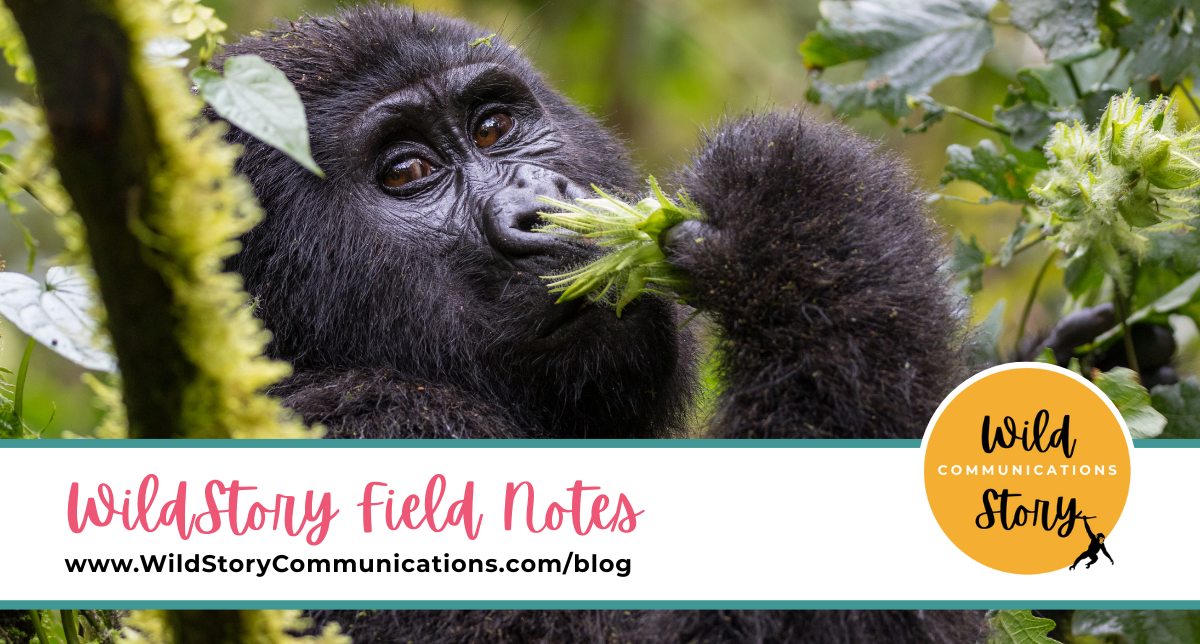
Most conservation organizations invest enormous care and creativity into the first experience.
The first visit to a zoo.
The first time a family walks through an exhibit.
The first encounter with an animal that sparks curiosity, wonder, or concern for the natural world.
That moment matters.
Often, it’s where the connection begins. It certainly was for me.
But for many organizations, the relationship unintentionally ends there.
In a landscape where attention is fragmented and loyalty is earned slowly, the real work of conservation doesn’t stop at the gate, the event, or the story itself. It begins afterward, in how organizations continue to show up for the people who raised their hand and said, ‘I care.’
Conservation is a relationship, not a transaction
Whether you’re a zoo welcoming a first-time visitor or an environmental nonprofit introducing someone to a global mission, the goal is rarely just awareness. The goal is stewardship—a long-term relationship built on trust, relevance, and shared purpose.
Yet many organizations still communicate as if every interaction is a one-time event.
Generic updates. Broad announcements. One-size-fits-all messaging that tries to speak to everyone at once.
The result isn’t disengagement because people don’t care. It’s disengagement because the relationship never deepened.
What happens after the first “Yes”
When someone chooses to stay connected, by signing up for updates, becoming a member, donating, or simply following along, they’re making a quiet commitment.
They’re saying, ‘I want to understand this work more.’
That moment is an opportunity.
A thoughtful, personalized welcome. Clear guidance on what to expect. Messaging that helps people see where they fit into the mission.
Because that’s what everyone wants to know—what is their role in your organization’s story?
These are not marketing tactics. They are trust-building signals. They tell supporters that their interest is valued and that their relationship with the organization matters.
The shift from information to belonging
Many conservation organizations are rich in information. Research, data, milestones, and updates are abundant—and important.
But belonging is built differently.
Belonging comes from:
Helping people understand why the work matters, not just what is happening.
Acknowledging supporters as individuals with different motivations, histories, and levels of involvement.
Creating communication pathways that feel human, not automated or transactional.
When organizations design communications with these principles in mind, something changes. Curiosity turns into care. Care turns into commitment.
Why this matters now
Conservation work depends on long-term support, not just visits, likes, or one-time gifts.
It depends on people who feel connected enough to stay, advocate, give again, and bring others along with them.
The organizations that thrive over time are often the ones doing the quiet work well: nurturing relationships after the story is told, after the visit ends, after the first spark fades.
It’s not the most visible work. But it may be the most important.
